
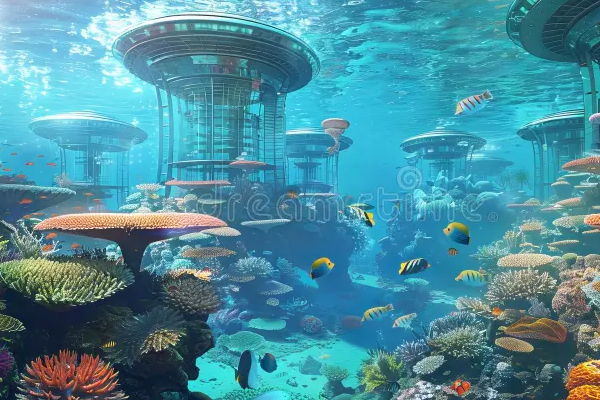
Reef The Ocean’s Living Cities
The Ocean’s Living Cities
One of the most significant and exquisite ecosystems on Earth is the coral reef. Reefs are vibrant, colorful, and dynamic, and are frequently referred to as the “rainforests of the sea.” They are living structures that sustain millions of marine organisms and safeguard coastal populations worldwide, making them more than just picturesque underwater scenery for tourists and divers. Reefs are crucial to preserving both human livelihoods and the health of the ocean, even though they make up less than 1% of the ocean floor.
A Reef: What Is It?
Any ridge or pile of rock, sand, or coral that is below the water’s surface is called a reef.
Coral reefs, which are constructed by microscopic creatures known as coral polyps, are the most well-known and biologically diverse reefs. Colonies of these polyps gradually release calcium carbonate, which forms the strong skeletons that make up reef formations over thousands of years.
Coral reefs are typically found in tropical and subtropical areas in warm, clear, shallow waters. The reefs in the Maldives, the Red Sea, the Great Barrier Reef in Australia, and numerous reefs in the Caribbean and Pacific Islands are well-known examples.
The Formation of Coral Reefs
Reefs of coral grow relatively slowly. Coral polyps are tiny, soft-bodied creatures that resemble jellyfish. A rigid outer skeleton is built by every polyp.
The skeletons of polyps that coexist in big colonies progressively accumulate to produce enormous reef structures.
Corals’ interaction with microscopic algae known as zooxanthellae is essential to their survival. These algae carry out photosynthesis while residing inside the coral tissues, giving the coral food and energy. The coral provides a safe haven for the algae in exchange. Reefs are situated in shallow waters and require sunshine because of this partnership.
Coral Reef Types
Three primary categories of coral reefs exist:
Reefs on the edge
These are the most prevalent kind that grow along the coast. They are frequently the first reefs people see and form right along beaches.
Reef Barriers
These are situated farther off from the coast and are divided by a lagoon. The world’s largest barrier reef is the Great Barrier Reef.
The Atolls
Atolls are ring-shaped reefs that enclose a central lagoon and form around buried volcanic islands. The Pacific Ocean is a typical place to find them.
Each kind contributes differently to coastal preservation and marine habitats.
The Significance of Reefs
Both humans and the natural world depend on coral reefs.
Hotspots for Biodiversity
About 25% of all marine life, including fish, mollusks, sharks, sea turtles, and many microorganisms, depends on reefs. Reefs provide food, refuge, breeding sites, and nidification for numerous species.
Food and Earnings
Reefs provide food security and fishing for millions of people worldwide.
Coastal populations, particularly in underdeveloped nations, rely on reef-related fisheries for both revenue and protein.
Protection of the Coast
By lowering wave energy and shielding coastlines from erosion, hurricanes, and tsunamis, reefs serve as natural barriers. Many coastal locations would be much more susceptible to flooding and devastation if reefs weren’t there.
The Economy and Tourism
Divers, snorkelers, and travelers from all over the world are drawn to reefs. Each year, reef tourism brings in billions of dollars and creates jobs in the travel, hospitality, and transportation industries.
Health Benefits
Chemicals used in medicines are produced by a variety of reef creatures. Treatments for infections, pain, and cancer have benefited from research on reef species.
Dangers to Coral Reefs
Coral reefs are under grave danger, notwithstanding their significance.
Changes in Climate
Coral bleaching is the process by which corals expel their algae and turn white as a result of rising water temperatures. If conditions do not improve, bleached corals may perish from stress. The largest threat to reefs worldwide right now is climate change.
Acidification of the Oceans
Seawater gets more acidic when oceans absorb more carbon dioxide. Corals find it more difficult to form their calcium carbonate skeletons as a result.
Pollution
Reef habitats are harmed by runoff from chemicals, plastic trash, sewage, and agriculture. In addition to blocking sunlight, contaminated water can bring poisons that kill fish and coral.
Excessive fishing
Important species that maintain the equilibrium of reef ecosystems are eliminated by unsustainable fishing methods. Reefs are physically harmed by destructive practices like dynamite fishing.
Development Along the Coast
Reefs can be buried under silt or destroyed by dredging, construction, and land reclamation.
The Reefs’ Present Situation
More than half of the world’s coral reefs, according to scientists, have already been harmed or killed, and many more are in danger. It has been demonstrated that certain reefs can recover, but only if local stressors are lessened and global climate change action is implemented.
A massive ecological catastrophe, the loss of reefs would have severe impact on food chains, marine life, and coastal communities all around the world.
Reef Protection and Restoration Initiatives
Numerous initiatives are in place to preserve coral reefs, and there is still hope for them.
Protected Marine Areas
Protected zones, where fishing and other damaging activities are restricted or prohibited, are being established by governments and groups.
Restoration of Reefs
Corals are being grown in nurseries and then transplanted onto damaged reefs by scientists and conservationists. Additionally, new methods are being investigated, such producing corals that can withstand high temperatures.
Ecological Fishing
Healthy reef ecosystems are maintained through encouraging ethical fishing methods.
Cutting Down on Pollution
Enhancing sewage treatment, cutting back on plastic use, and managing waste better all contribute to reef protection.
Climate-Related Action
In the end, coral reefs’ long-term survival depends on lowering greenhouse gas emissions.
What People Can Do
Everyone may contribute to reef conservation:
Use less plastic and recycle it appropriately.
Select seafood that is sustainably produced.
Apply sunscreen that is safe for reefs.
Encourage groups that protect reefs.
Conserve energy to lessen your carbon footprint.
When diving or snorkeling, be mindful of reefs.
Millions of people can make a significant impact from small efforts.
In conclusion
Reefs are living cities that sustain human societies, preserve coastlines, and support life. They are more than just underwater rock formations. A delicate balance that has been built over thousands of years and can be broken in a few of decades is concealed by their beauty. Reef protection is essential for the planet’s future and goes beyond simple environmental duty.
Coral reefs may endure, regenerate, and inspire future generations if humans behaves responsibly. Reefs’ fate is intimately linked to ours, and preserving them means preserving life both below and above the waters.